I am frantically making yet another editorial pass at my manuscript to get it ready to submit to the Copyright Office. I cannot believe the writing oversights, but here we are at edit #99, and I am still finding glaring errors.
The Acknowledgments section of the book is something I typically skim over. The names listed have a meaning to the author, and the person/entity they are thanking.
If you do not have a loved one who is or might be on the receiving end of medical racism, you can still take action.
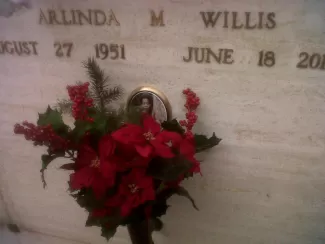
In the US, death is generally feared, avoided, dismissed. That makes it uncomfortable. The funeral that is supposed to mark an ending gives birth to a new dynamic, as the survivors adjust and fill in for the absent person.
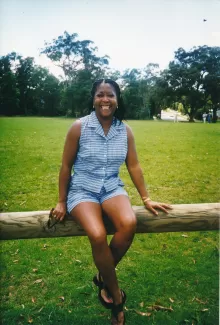
I want to publish this book. I've been working on it for 31 years. I have envisioned the moment when Arlinda's biography is in print, and there is nothing more I can do to fix the content.
If systemic racism seems like it will not budge, no matter how much we try, then we have not tried enough of the right combination of tactics. Here are some ways patients and caregivers can use to gain more control of their health outcome.
Change is inevitable. I have heard this phrase many times, but I never realized I could choose what to change about myself.
I used to cut myself off from my emotions. It was safer that way.
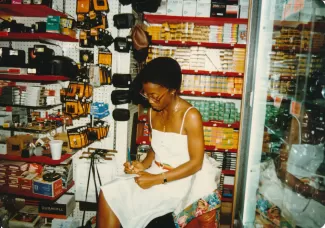
I originally intended Arlinda's biography to show what a cancer patient might go through during treatment. Arlinda was very new at this, and every doctor's visit caught her off-guard.
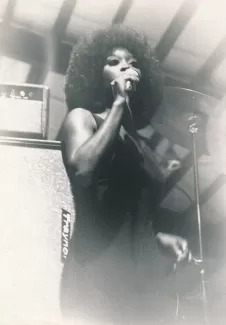
I'm excited. I can barely keep my thoughts together to write this post. My final edit is coming back on Saturday.
The next step is to get Advance Reader Copies out for professional and public reviews.
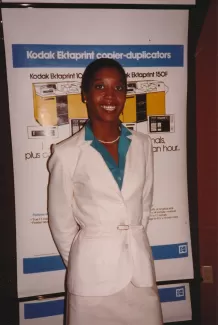
Here is another section that pained me to cut. I wanted to include the dog as a symbol of hope, but I could not quite get it to fit with the arc of the narrative.
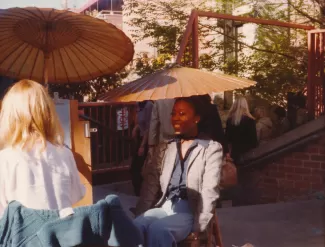
Is “whom” old-fashioned? Stodgy? Is Stodgy considered stodgy?
When an editor and high school friend used “who” instead of “whom” on social media and I corrected her, she doubled-down on ignorance.
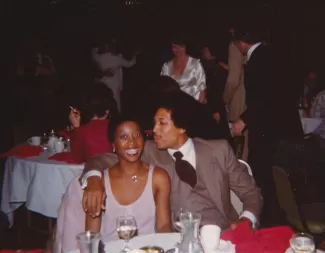
In Alabama, she was simply Lynn. A sharecropper’s granddaughter, riding her grandaddy’s plow, calling hogs, learning the ways of Jim Crow. Lynn was small and simple. But at eleven, she left that girl behind.