I hear the AI debate go back and forth. People vehemently against all use-case scenarios. Others embracing it like it is a Start Trek food replicator.
Show and tell are two narrative choices, each with its own narrative purpose. Showing a scene slows the pace, placing the reader inside a character's thoughts. This option is useful when a moment needs time for the emotions to sink in.
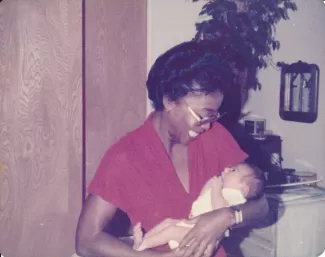
From her earliest years in Alabama, Arlinda absorbed a conviction that love was conditional. Her mother's departure and the grandparents who raised her in her absence helped to shape that belief.

What intrigued me about Arlinda was her attitude going into the medical appointments. She was downright playful with the parking lot attendant, friendly and conversant to the receptionists and nurses. When the doctor came in, she would get quiet.
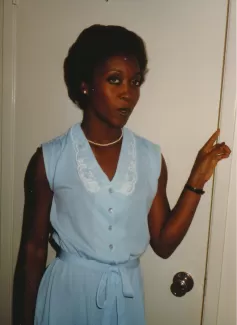
I enjoyed listening to Arlinda's stories. She had a wealth of knowledge going back generations. Some of the people she talked about lived before the Civil War.
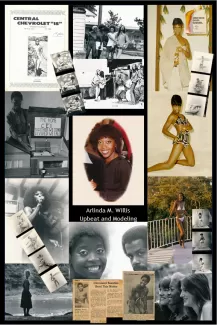
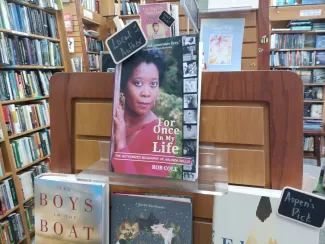
Reviews are great, they are sad, they are exhilarating, and even frustrating. I have yet to receive a truly bad review for my debut biography, For Once in My Life: The Authorized Biography of Arlinda Willis.
In writing Arlinda's story I made seemingly endless decisions about what information to include and what to set aside. I wanted to ground her life in historical context because she lived through genuinely momentous events.

For Once in My Life: The Authorized Biography of Arlinda Willis explores several motifs. A close second to racism, I believe, is distance.

Last year through the ManKind Project, I took two classes, Waking Up to Whiteness, and Unpacking Power, Privilege, and Diversity.

For almost 18 months, I helped Arlinda through her final medical journey. First from a distance, then in person. It takes a lot of physical and emotional work to stay by someone's side as their health declines.

The first chapter does a lot of heavy lifting for the book. It gets the reader situated with the story, setting up expectations of what is going to happen. This chapter out of all of them needs to be lean.