Writing with Purpose
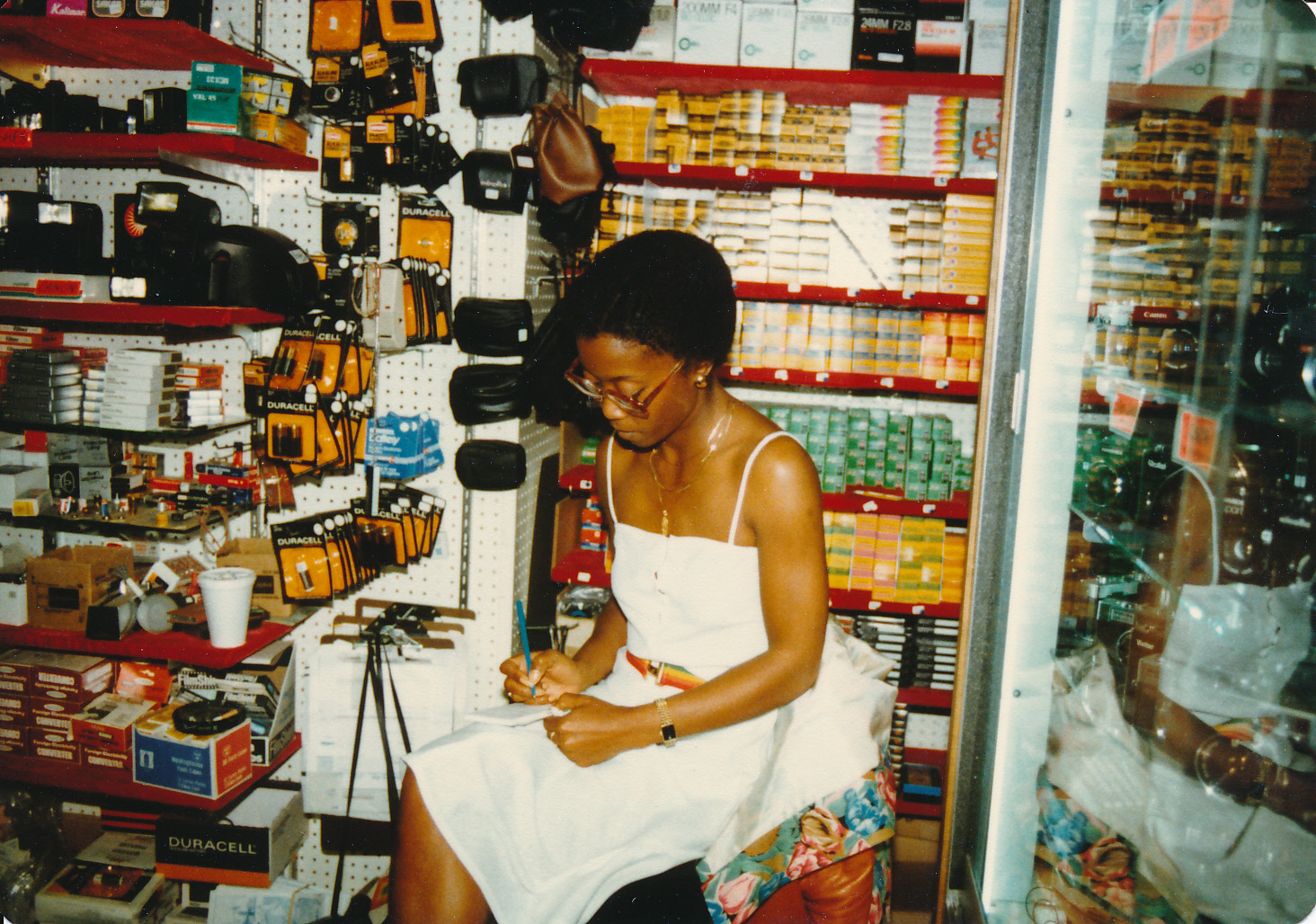
I originally intended Arlinda's biography to show what a cancer patient might go through during treatment. Arlinda was very new at this, and every doctor's visit caught her off-guard. I thought that maybe if the readers saw what we went through, they would be more informed on their journey.
Towards the end of 2025, I took two courses, Waking Up to Whiteness, and Unpacking Power, Privilege, and Diversity. In one of the sessions, I came across the term, "medical racism". Arlinda's treatment path ticked all of the boxes: slow to diagnose, long wait times for medical care, ignoring the patient's disclosure of symptoms, minimizing the patient's pain threshold. I called Arlinda's best friend to talk about what I discovered.
"Yes." Cindy replied. "Yes!"
I thought San Francisco's progressive politics meant racism didn't exist here, that the fog belt marked the boundary of enlightenment. "In the liberal bubble of the [San Francisco] Bay Area?!!"
"Yes!" Cindy insisted.
Well, there is the story's new purpose: to bring awareness of medical racism to the general public. It is kind of poetic in its structure. Arlinda was born into the shadows of Jim Crow racism. She learned quickly to avoid White people, and when she had to interact with them, she would supplicate to their inherited authority.
Moving to Cleveland was the best thing for her, and she flourished in the interracial setting. When her job gave her an opportunity to advance through the ranks if she moved to San Francisco, she jumped at the chance. And at the end of her life, she returned to enduring racism, even while staying near the City by the Bay.
This biography depicts medical racism in narrative form, with me resisting as best as I could to not preach to the reader. I want to turn on the flashing lights, point, and say, "We need to change this right now!" But when was the last time a reader chose to do what's right, simply because the author accused the reader of complacency? So instead, I let the emotional scenes play out so the reader can feel what racism might be like.