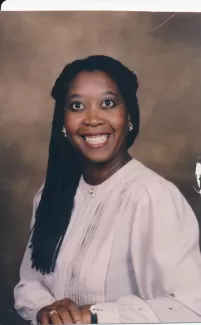
There is an 11-year gap in Arlinda's biography. The gap is not in her story directly, it is in my telling it.
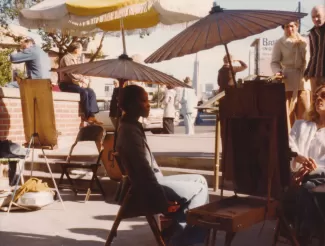
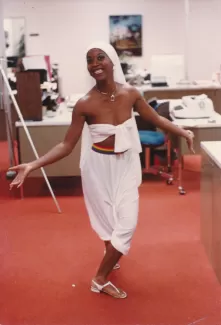
Arlinda’s life was steeped in music. She was a teenager in 1960s Cleveland, the home of the weekly hit-parade Upbeat television show, where she was a professional dancer.
In documenting Arlinda's medical journey, there were many times that bureaucracy got in the way of her care. It was frustrating and harrowing for us.
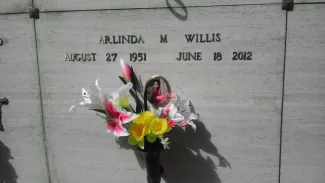
Another excerpt that has been severely chopped. The whole discourse on the ramifications for/against medical-assisted suicide takes the reader out of scene:
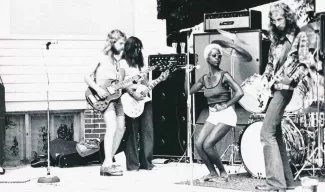
Arlinda told me wild tales about her time touring with Rare Earth. She narrated to me about her role as stage dancer. However a relative of one of the band members does not recall them having stage dancers.

In writing Arlinda’s book I had wanted to insert the doctors’ notes into the chronicling of her medical experience.
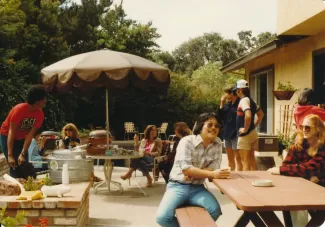
This excerpt no longer appears in this form in the manuscript. The cultural aside pulls the reader out of the story. It injects too much of the narrator’s viewpoint and might make the reader feel preached to:
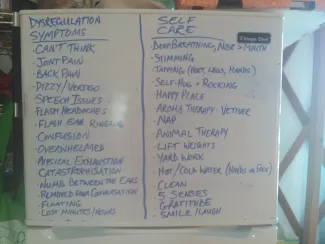
In January, 2022, when the Social Security Administration declared me disabled, I had to get new insurance.
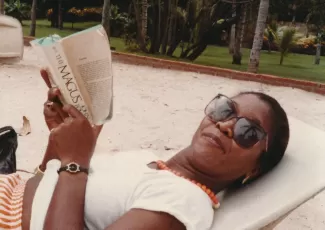
Over the years, I dutifully recorded Arlinda's tales of growing up. I took notes on a legal pad while she sat back in the conference room chair, teasing out memories. I had trouble stitching the stories together, finding the throughline.

The sales funnel is a staple of business strategy. It is a systematic way to track potential customers as they move through stages of engagement, from initial contact to loyal repeat client.

Arlinda left Toxey, Alabama, in 1963. That was 63 years ago.

When I wrote the first draft of For Once in My Life, it was a tremendous relief. I was able to get Arlinda's story down in a timeline, capturing all of her insights and anecdotes.