A "Mr. Death" for You
Another excerpt that has been severely chopped. The whole discourse on the ramifications for/against medical-assisted suicide takes the reader out of scene:
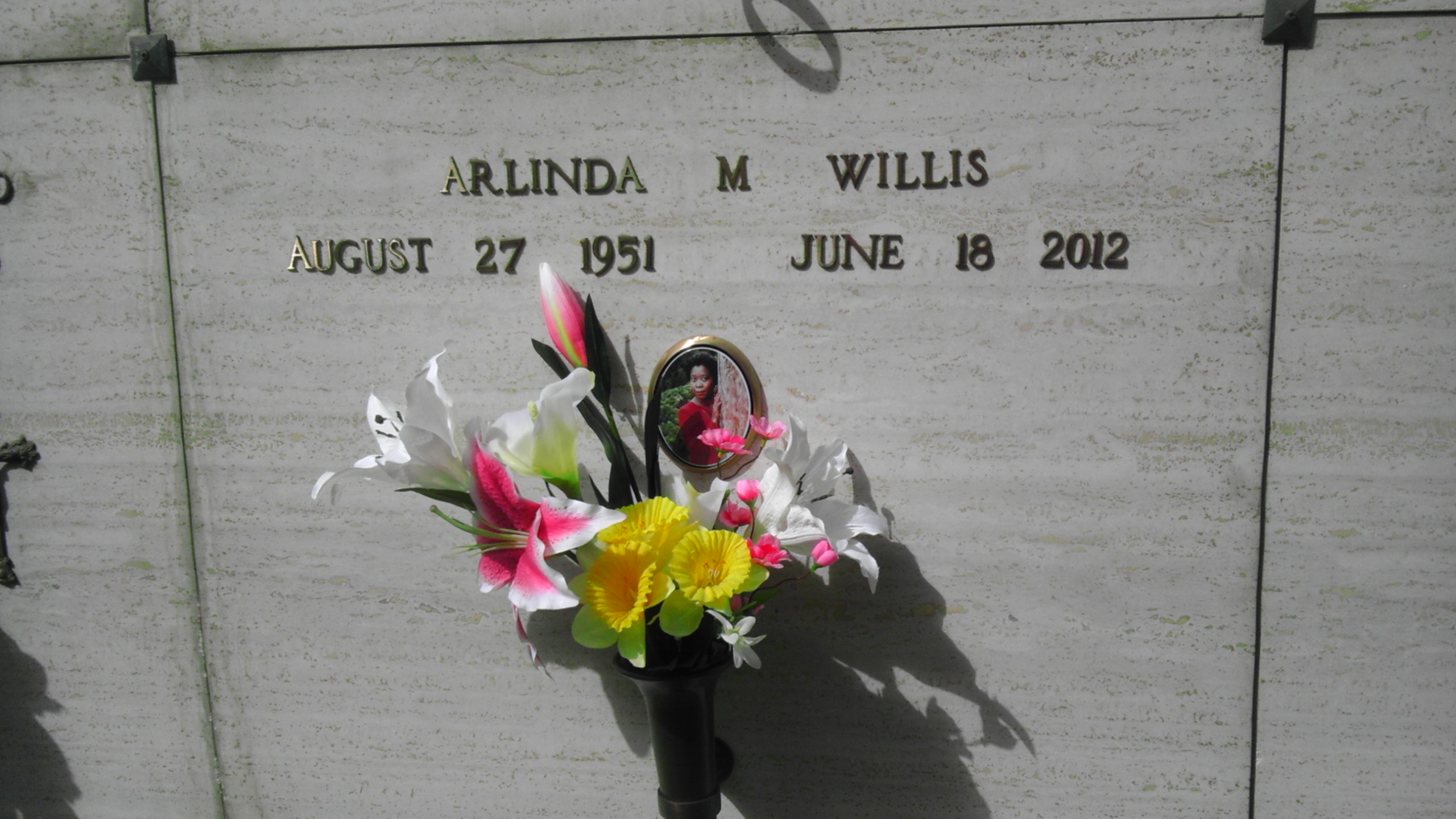
On Wednesday, Arlinda sat on her bed with Rob. The pain in her stomach was causing her lower back to hurt. She pleaded, “I want to die. I really do. Please find a way for me to die.” She could only describe it in the most visceral terms: “It feels like someone is sticking their hand in and pulling out my stomach.”
Even on high doses of pain medication, where she could barely walk, the best she could hope for was a slight dulling. It was a helplessness that bore its own pain.
Rob placed his hand on her belly. He felt the tense muscles beneath her skin. He relaxed into a deep whisper, “Let’s try to ease some of this discomfort.” He began to rub her abdomen in slow, circular motions.
“Close your eyes,” he instructed.
Arlinda let herself sink into the mattress. Her eyelids fluttered shut.
“Take a deep breath in.” He talked her through a progressive muscle relaxation exercise. “As you exhale, imagine the tension in your belly leaving your body.” He continued prompting her to clench and release her muscles from her toes to her eyebrows.
Her body softened as she nestled herself into the sound of his voice. She had spent a lifetime keeping her guard up. But here, with him, she allowed herself to yield. It felt wonderful. The pain had dissipated. After several minutes, Arlinda turned her head toward Rob, and her eyes opened.
“You’re my guardian angel,” she admitted.
He blinked tears away. “I’m here for you, Lovely,” he answered softly. “We’ll get through this together.”
For the rest of the evening, they lay there. Rob continued to soothe Arlinda with gentle touches and soft words.
The fentanyl was making her more dizzy and more nauseous, two of the listed side effects of the drug. She could barely walk fifteen feet from her bed to her bathroom. The stairs were a significant danger to her in this condition.
In his apartment, blinds drawn, Rob searched for information on Dr. Kevorkian, dubbed “Dr. Death” for being the first widely-publicized physician in the U.S. to practice patient-assisted suicide. He slouched at his computer desk, incredulous about taking this step. Clicking through the pages, he wondered if Google would flag his account and send a rescue team his way.
Suicide is often seen as a desperate, last-ditch effort to preserve a person’s dignity. It takes immense courage to ask for an end to one’s life. He held out hope that they could beat back the cancer a second time for Arlinda, but a third time seemed unlikely. Maybe she would see 2012 through to the end.
He thought back to his dog, whom he had put down years before. She had developed a tumor on her spine, which eventually paralyzed her hind legs. As the tumor grew, she lost the ability to use her legs or go to the bathroom without assistance. For three years, he had walked the yellow lab in a custom-designed wheelchair on the beach in Pacifica. He knew it was time to let Kila go the day she did not eat her breakfast and, when he pressed her abdomen to make her pee, it was red with blood. That day was March 3, 2004. He took her to the vet, and after several failed attempts, the vet was able to inject enough pentobarbital in her to stop her heart.
It was a peaceful end to his dog’s life. There were no drawn–out tests or disruptive surgeries. For twelve years, he had bonded with her, fed her, trained her, and picked up after her. There was a mental connection between them. Though Kila could not speak, she had told him when it was time to let her go.
The right to die to avoid untreatable pain may slide into a duty to die for those left behind. Vulnerable people may be pressured into choosing the option, either by unscrupulous benefactors eyeing a sizable inheritance or by those who do not want to burden their loved ones with huge healthcare bills.
Medically, there is the argument of finding ways to treat conditions. With assisted suicide as a viable option, some have argued that there would be less compulsion to find modalities to treat terminally ill patients. Assisted suicide could be seen as the first cure the pharmaceutical industry has offered the general public in decades.
Neither side of the assisted suicide debate has a satisfactory conclusion. In 2012, some states allowed medical-assisted suicide. California, however, would not legalize it for another four years. For a quick second, Rob let relief course through him, and for that transgression he expected his penance would be to see her suffer while the doctors ignored her pain.