Go the Distance
For Once in My Life: The Authorized Biography of Arlinda Willis explores several motifs. A close second to racism, I believe, is distance. Woven throughout her story is the tension between movement and isolation, and Arlinda seeking connection at times while retreating from it at other times.
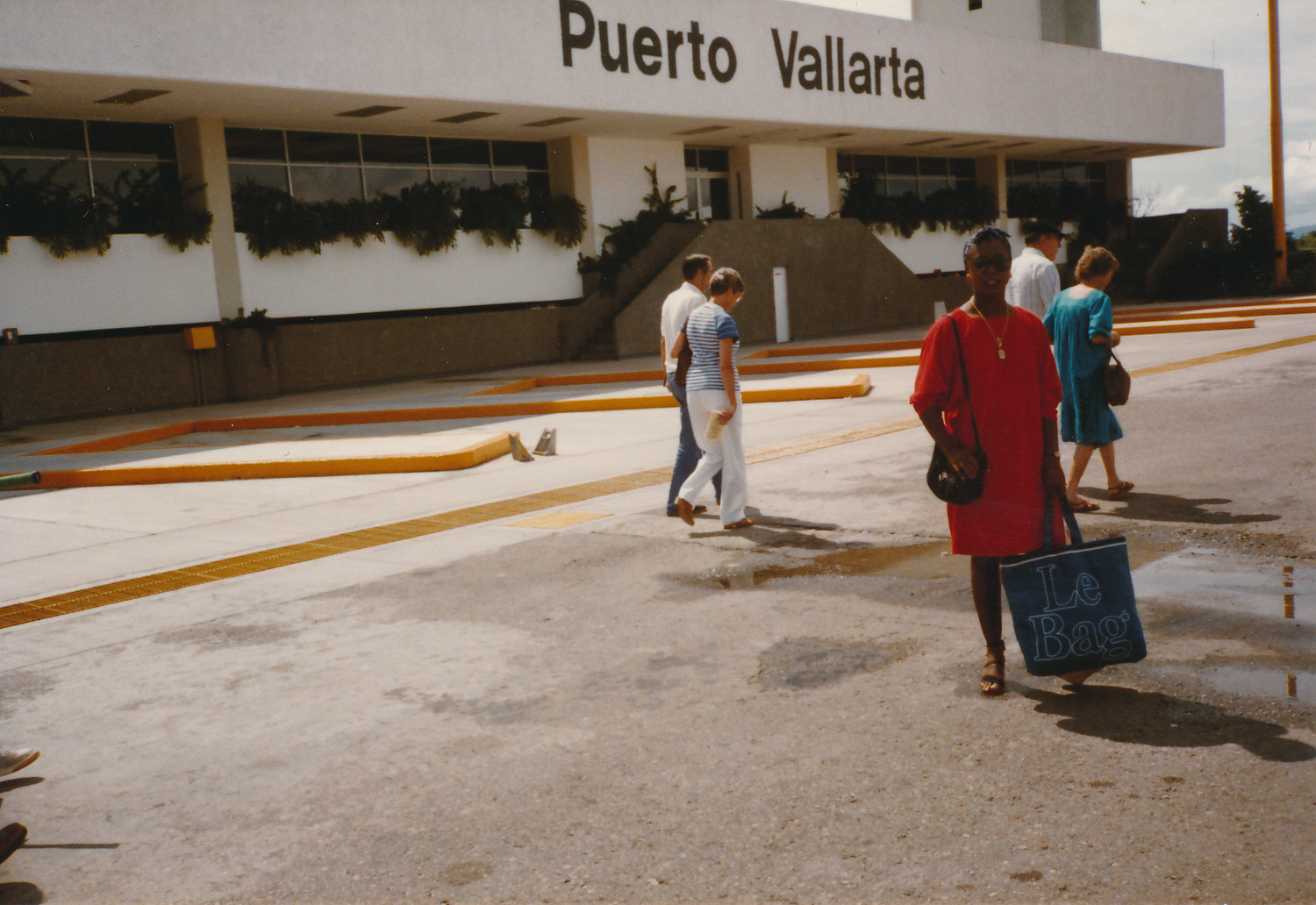
Distance appears most obviously in the geography of Arlinda's life. She moved from Toxey, Alabama to Cleveland, Ohio. Years later, she moved to San Francisco. Each time was an opportunity to reinvent herself. Even her vacations became another chance to step outside who she had been.
The emotional distance was where I felt the most for Arlinda. Although she cultivated deep friendships, as cancer entered her life, she withdrew. When I tried to connect with her, she would find ways to push me away or create opportunities for me to abandon her first. Even with Cindy, her best friend, Arlinda refused to allow herself true vulnerability. She anticipated rejection, keeping careful distance even from those closest to her.
Arlinda's mother had left her as a child. That original departure created a pattern for future relationships to get close, but not too close. Love people, but love them from a distance where the inevitable leaving would hurt less.
There is also distance from herself. In her most traumatic moments, Arlinda would disappear into numbness. Throughout her story, I return to the same phrase: "She was numb; she did not feel; she did not hurt." This dissociation is its own kind of distance from even her own body and heart.
I captured her most traumatic scene with literary distance, to let readers know what happened without exploiting her privacy. In the next chapter, I retained that same style to tie the resulting coping mechanism Arlinda picked up to soothe herself, distance herself, numb herself from those childhood memories.
The depictions of geographic, relational, psychological, and literary distance create a complex layering of Arlinda's life. They show how Arlinda used space and separation to protect herself, and how those mechanisms helped her grow in some areas, while restricting her in others.