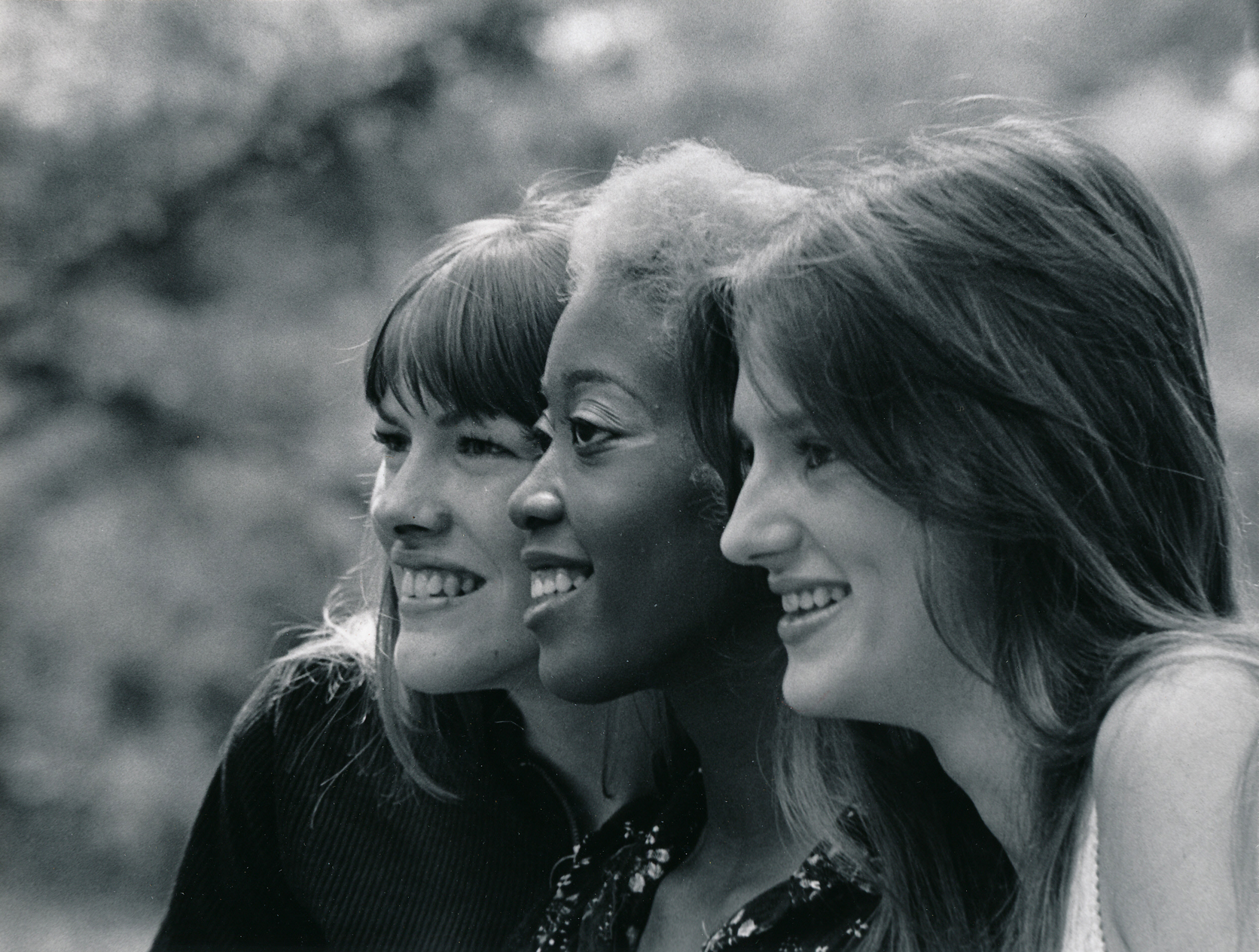
What Arlinda's Biography Has Taught Me
In writing Arlinda's story, I struggled to make her life relevant to someone in this day and age. She was a dancer on a television show that, due to its immediacy, became less relevant to the generations born after the show ended. Maybe her friends and family, and a few people in society nostalgic for Upbeat, would care enough to pull the book from the bookshop shelf, read the cover with a reminiscent "hmph," and return it to the stack.
Last year, I took two courses on White privilege, where I heard the term, "medical racism". I looked at the symptoms: the slow path to diagnosis, long wait times, disregard of a patient's symptoms, and the minimizing of the pain threshold. I had unwittingly documented all of these symptoms in her medical journey. Framing her story with a throughline of racism, from living in the Jim Crow (American Apartheid) South to liberal San Francisco, now had relevance.
In her book, I addressed racism when she grew up in the South, but I wrongly believed she was cured of it as soon as she passed the Mason Dixon line. She became a dancer on Upbeat through one of the first instances of DEI, which is not to say she was a less talented dancer, rather she was equally one of the top talents plus she represented the diversity that the producer, Herman Spero, wanted to depict.
Writing this book has taught me a lot about message. I did not need to know that message when I started the book in 1995. I just wrote what I observed, what I was told. Then I just needed to nudge some sentences to the fore to make the message more apparent to the reader.
Let the reader experience the racism first hand without all of the sign posts that it exists. Because making it through life is just that. We need to recognize it when it happens, and I believe confront racism on the spot. It is the privilege and duty of the non-targeted people to take action, once we know if it's going on.