Why I'm Writing a Black Woman's Story and Why I Almost Didn't
I’m putting it out there from the get-go: I’m a White, male Gen-Xer immigrant. Arlinda: a Black, female, a Baby Boomer who grew up in Jim Crow Alabama and Cleveland, Ohio. When people ask why I am telling her story, the simple answer is: she asked me to.
But that answer doesn’t capture what happened when I said yes.
The Lunch That Changed Everything
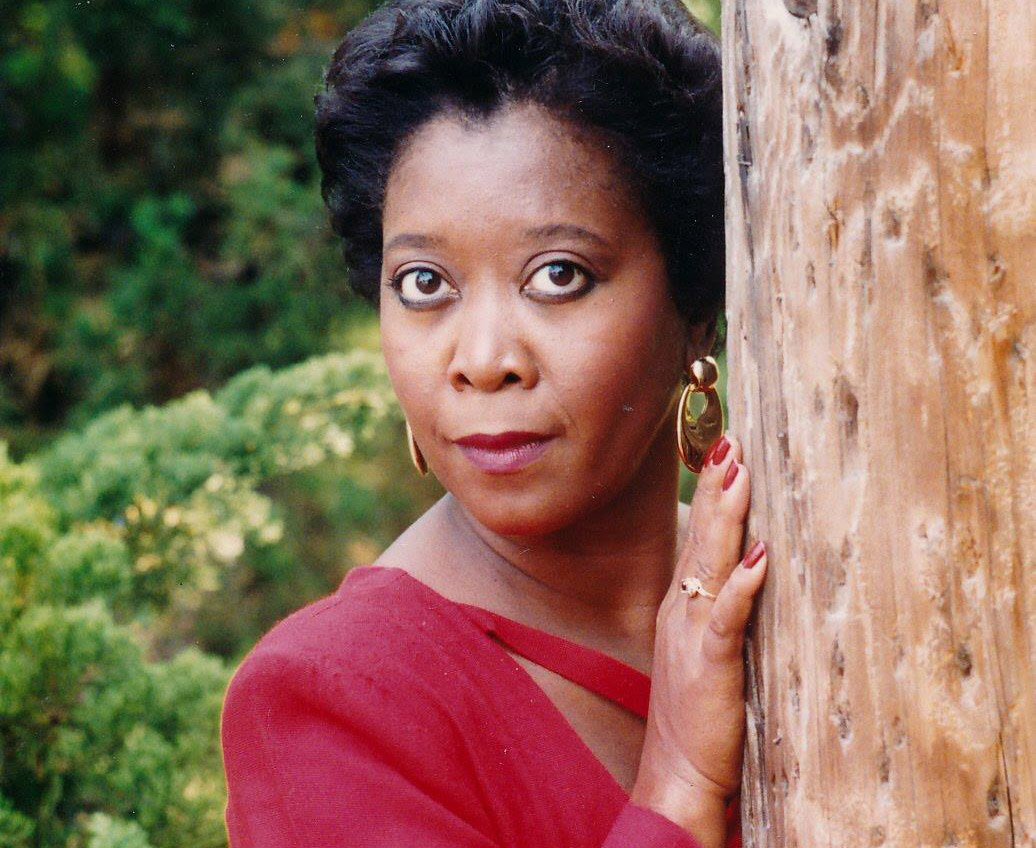
As cubicle mates at a large San Francisco law firm, Arlinda and I would chat, tell jokes, passing the time while still getting work done. One day, Arlinda handed me a large envelope with photo proofs. “I missed being in front of the camera,” she said. In the photos, Arlinda peered out from behind a telephone pole. She told me about her modeling career in the 1960s and 70s. I was impressed by the photos, but it would take her telling me a few more times about her brushes with fame before it sank in.
One of our lunch dates brought us to Vertigo, a restaurant at the base of San Francisco’s Transamerica Pyramid. Service was slow that day. The waitress ameliorated our disappointment with an endless supply of bread and obligatory olive oil and balsamic vinegar. More stories poured out of Arlinda:
Growing up in Alabama. Her brush with fame on the Upbeat television show. Her years at Eastman-Kodak. And then, casually, she asked if I would help her write her autobiography. I agreed.
Arlinda preferred dictating her stories while I captured them. We booked conference rooms, shared more lunches, and recorded her memories.
What I gathered felt like cocktail party anecdotes. The stories came out polished, like she had told them many times before, but there was no depth to them.
So I pushed. I asked about feelings, about the reasoning behind her choices, about the moments that shaped her. And that’s when everything shifted. Slavery, Jim Crow, and Black Power were no longer just paragraphs in my high school history books. (Or a chapter, if the curriculum was generous.) Arlinda was living history. One life among untold millions of Black Americans whose stories never made it into those books.
The facts I’d memorized for quizzes and exams now carried Arlinda’s face.
As years passed, her narrative took shape. The Civil Rights protests, the Great Migration, and the rise of Rock ’n’ Roll and television moved her across the country, shaped who she became, and delivered her to that cubicle where we worked side by side.
The Day I Stopped Writing
When it came time to chronicle Arlinda’s medical journey, I thought I was being thorough. I drove to the Records departments at Eden Medical Center and Highland Medical Center, and requested her files. I wanted the doctors’ perspectives to give readers insight into her cancer treatment.
I made the mistake of reading those entries. It all seemed so frustrating that the doctors were declaring hope to our faces while writing doom in the notes.
The inconsistencies enraged me. I stopped writing. Years passed, and I would return to the manuscript in fits and starts, only to hit the same wall of fury. Eventually, I realized this book was about how Arlinda lived, not about contesting what her doctors wrote in private.
After 11 years, I delivered on my promise to her. The writing flowed uninterrupted.
That’s when the book grew teeth.
What I Found in the Liberal Bubble
By documenting her medical experience, I had unwittingly revealed the medical racism she endured.
“In the liberal bubble of the San Francisco Bay Area?” I asked Arlinda’s friend, Cindy.
“Yes! Yes!” Cindy shot back, vehemently.
Another layer of Arlinda’s reality crystallized before me. The 14th Amendment did not eradicate systemic racism; rather, discriminatory structures persisted through new forms. Similarly, the Civil Rights Act addressed overt legal barriers, but underlying institutional inequalities continued to shape daily life. Even the election of Barack Obama, often regarded as a watershed moment, left enduring systems of racial disadvantage intact. These milestones released the tension of obligation for White people to believe they had done enough for racism. Yet time indicates, and the voices of the oppressed confirm, there is still more work to be done.
Why I’m Sharing This
Racism is not over. My manuscript is not its final chapter.
I acknowledge that I will never fully comprehend Arlinda’s experiences, nor can anyone, Black, female, or otherwise. However, engaging with her story has transformed my perspective, compelling me to recognize the importance of ongoing dialogue about race and inequality. By sharing her narrative with the humility and respect it deserves, I not only honor Arlinda’s legacy but also confront my own limitations in this work. Through these efforts, I hope to contribute, however imperfectly, to the collective push toward a more just society.
And if you’re uncomfortable right now, if you’re thinking, “Oh, but I’m not racist,” I understand.
Prove it by exploring some of these books.