Medical Racism in Real Time
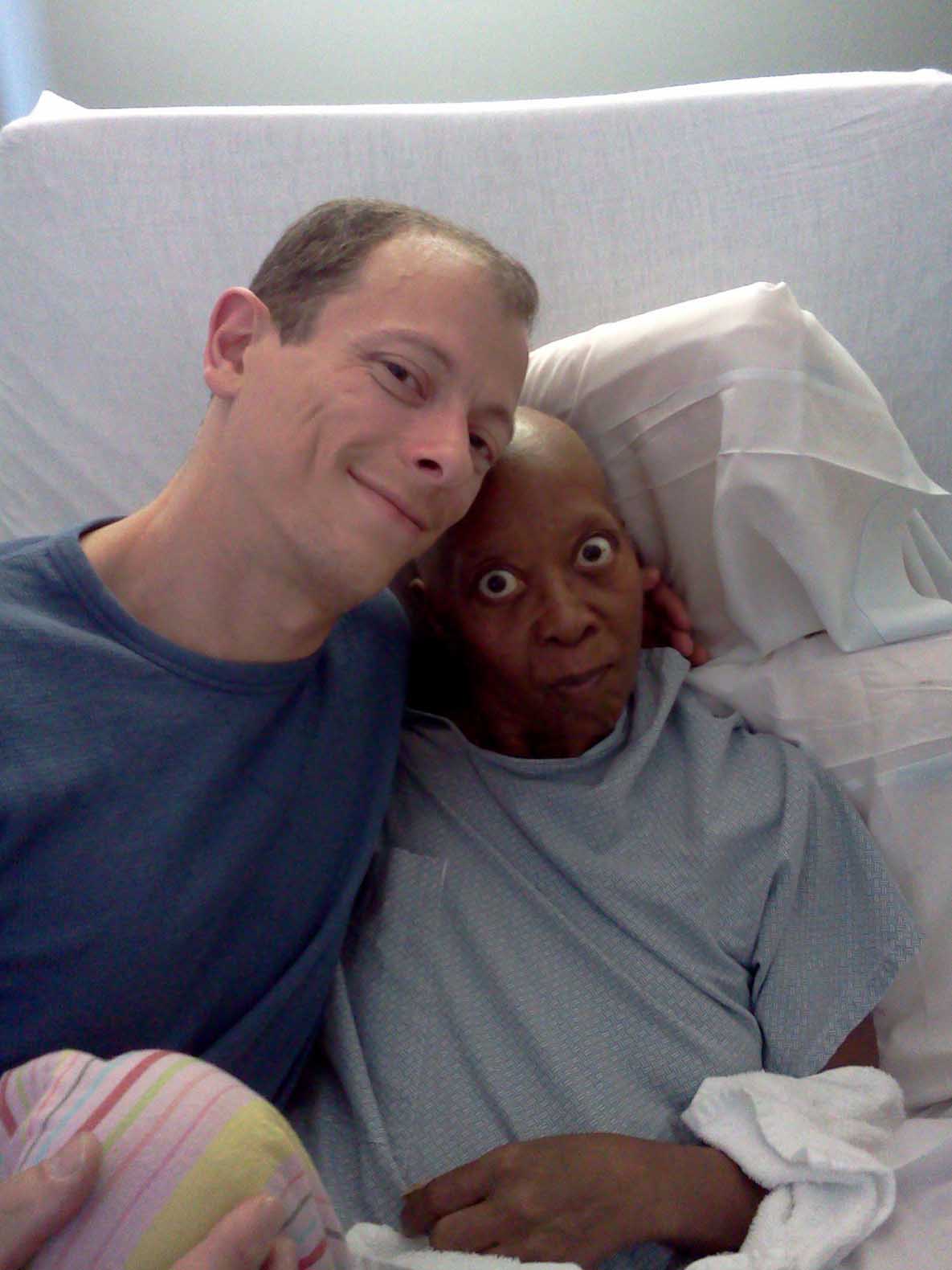
As a White man who grew up affluent, four hours in a hospital pharmacy waiting room felt like punishment for a crime I hadn’t committed. My consternation was barely contained. “Four hours?!”
Arlinda kept her eyes on the waiting room television. Maury Povich reruns blurred into each other, ad infinitum.
“Every time.” She had a practiced apathy weighing down her face.
“Are you serious?”
“Every time.”
She understood what I was still learning: getting upset would not make the queue move faster. The system worked exactly as designed.
The Architecture of Waiting
Long medical wait times are a symptom of medical racism. A systemic problem means there is no individual to point at and call racist. No single villain. It instills the myth that some lives are worth less than others.
Extended pharmacy wait times help hospitals keep operational costs down, offsetting lower Medicaid reimbursement rates. It is a business decision that falls disproportionately on specific populations.
According to the Pew Research Center, while “non-Hispanic White enrollees account for 39.6% of all Medicaid recipients (versus 58.0% of the U.S. population as a whole). Hispanic people, who can be of any race, comprise 30.8% of enrollees (versus 19.7% of the population), and Black people make up 20.8% of enrollees (versus 13.5% of the population). The share of Asian American enrollees (6.0%) was about the same as their share of the overall population (6.6%).” Who bears the burden of poverty in America and, consequently, who endures those four-hour waits?
In America, poverty has a racialized pattern. As the Center for American Progress documents, “Black and Hispanic poverty rates have been significantly and consistently 2 times to 3 times higher than the poverty rates of white Americans.”
The Compounding Costs of Delay
Waiting room inefficiency is only the visible symptom. Delays in diagnosis allow diseases to progress unchecked. Early-stage cancers become advanced. Manageable conditions become emergencies. Treatment options that existed at month one vanish by month six. This was Arlinda’s reality.
The connection to insurance access is direct. Lack of coverage or inadequate coverage is typical for people living in poverty, and poverty in America is disproportionately experienced by Black and Hispanic communities. Despite working steadily since she was a teenager, Arlinda found herself unemployed at precisely the wrong moment in her medical journey. When her transitional COBRA insurance expired, she was financially unprepared to fund the diagnostic testing that might have caught her cancer earlier.
The Pain Gap
Perhaps the most damning symptom of medical racism is the pain gap, the well-documented phenomenon that Black Americans receive inadequate pain treatment compared to White Americans.
There is a pervasive, false belief circulating through the medical community that Black people have a higher pain tolerance. There is no scientific basis for this assumption. The myth’s roots derive from slavery-era pseudoscience, yet it persists in modern medical practice.
A 2016 study published in the Proceedings of the National Academy of Sciences and available through PubMed confirmed what Black patients have been reporting for generations: “Black Americans are systematically undertreated for pain relative to white Americans.” The researchers found that nearly half of White medical students/residents held false beliefs about the differences between Black and White physiology. Those beliefs directly influenced their recommendations for pain treatment.
When Arlinda complained about the searing pain in her esophagus and stomach, very little was done to address it effectively. Her pain was minimized, her complaints noted but not acted upon with the urgency they deserved. How much of her suffering could have been prevented if her pain had been believed?
Ending Medical Racism
Identifying racist individuals is insufficient to dismantle systemic racism. Instead, broad-based structural interventions must be considered. Specifically, integrating the examination of medical racism into insurance companies’ annual risk management programs could foster meaningful change, given their significant influence on healthcare practices. Actionable steps would include instituting an amnesty clause to encourage transparent reporting of racial biases without fear of punitive consequences. Once amnesty is in place, insurance companies would conduct comprehensive audits of their client healthcare organizations’ policies and procedures in order to systematically identify structural inequities and instances of racial bias. Based on audit findings, organizations would implement evidence-based training on recognizing and preventing racism for both client-facing and internal systems. Regularly evaluating the effectiveness of these interventions and making necessary adjustments will further reinforce anti-racist accountability within healthcare organizations. This approach enables sustained, systemic change in the fight against medical racism.
For more information on medical racism, check out this video.